

Industry Analysis
Aussie tradies losing $15,000 - 80,000 a year to missed calls.
80% of missed callers never ring back, new industry data shows. Most book the next business that answers.
You're up in a roof cavity, mid-rewire, both hands full. The phone buzzes in your pocket. You can't stop. By the time you're back down the ladder, there's a missed call and no message: just a number you don't know. You ring it back that night. No answer. And you'll never know if that was a $200 powerpoint or a $9,000 switchboard upgrade. That job just went to the next sparky on Google.
You already know how this feels
That's the quiet leak in nearly every trade business in the country. The work comes in on the phone, and the bloke best placed to answer it is on the tools. You pull the phone out between jobs and there's a stack of missed calls: no idea who any of them were. Half don't pick up when you ring back. The ones who do? "All good mate, got it sorted." Booked someone else while you were up a ladder.
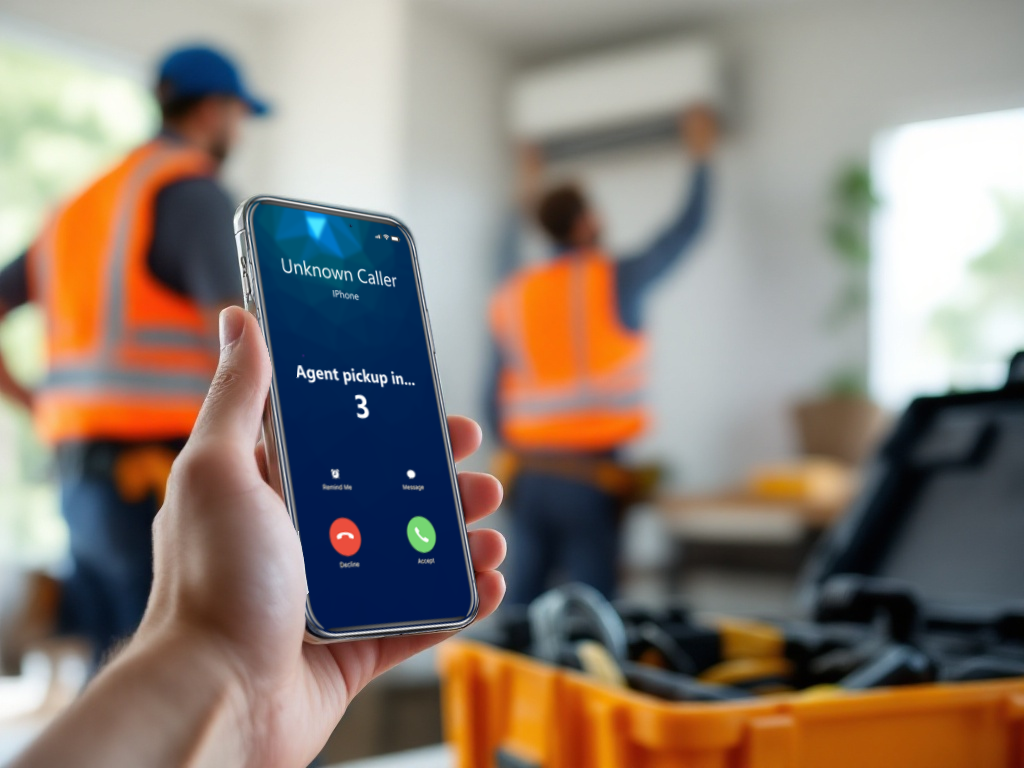
Take a fridgie. Middle of a heatwave, phone flat out, and you're on a roof unit and can't answer. Three of those callers were sweating in their lounge room ready to pay whatever it takes. By knock-off they've all got someone booked: not because your work is bad, because you never got to say hello.
Or a plumber, burning the gap between jobs on call-backs, then more at night with dinner going cold. Who answers a number they don't know at 6pm? And the ones who do have already booked the next bloke. If that's your week, it's worth two minutes to run your own numbers through the free cashflow-leak scorecard.
What it looks like when the phone gets answered
Here's the other side of it. Optiphone, one of the Australian providers, shares the numbers from its client network: a window into what happens when a trade stops letting the phone ring out.
Data from Optiphone's client network
- 370
- calls answered for clients in the last 30 days.
- 1 in 9
- calls (11.3%) came in outside 8am–5pm: after-hours work you'd otherwise field or miss.
- ~3 sec
- to pick up, day or night. Every call answered in seconds: no ring-out, no voicemail.
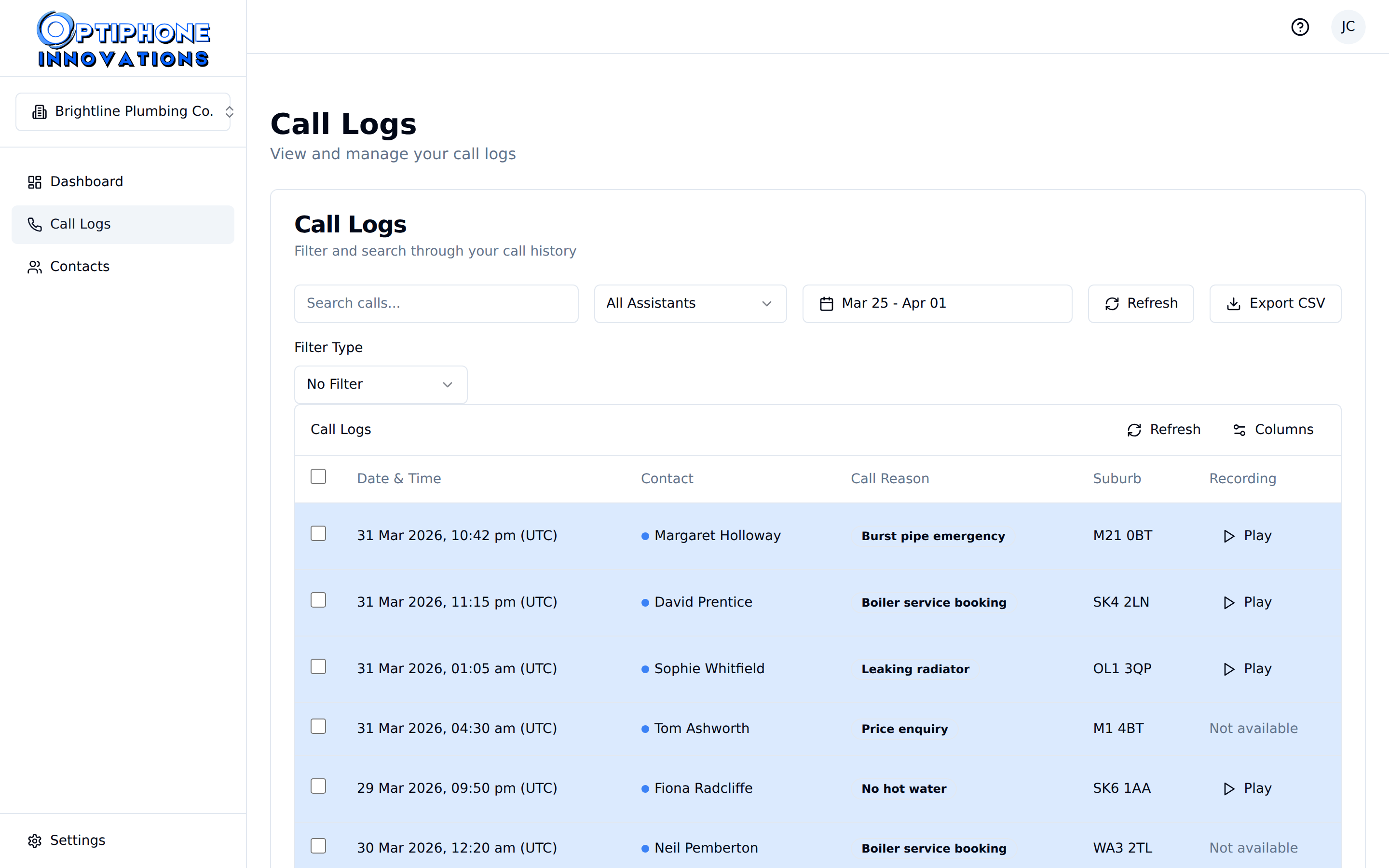
Take Poolzone, a pool servicing mob. In three and a half months the phone caught 227 calls: 83 in the last month alone. Eighteen were ready to book, and roughly 1 in 12 came in after hours, when the old answer was voicemail. That's the phone doing its job while the owner does his, with every call sitting in a clean log, ready whenever he is.
The trade has already picked its answer
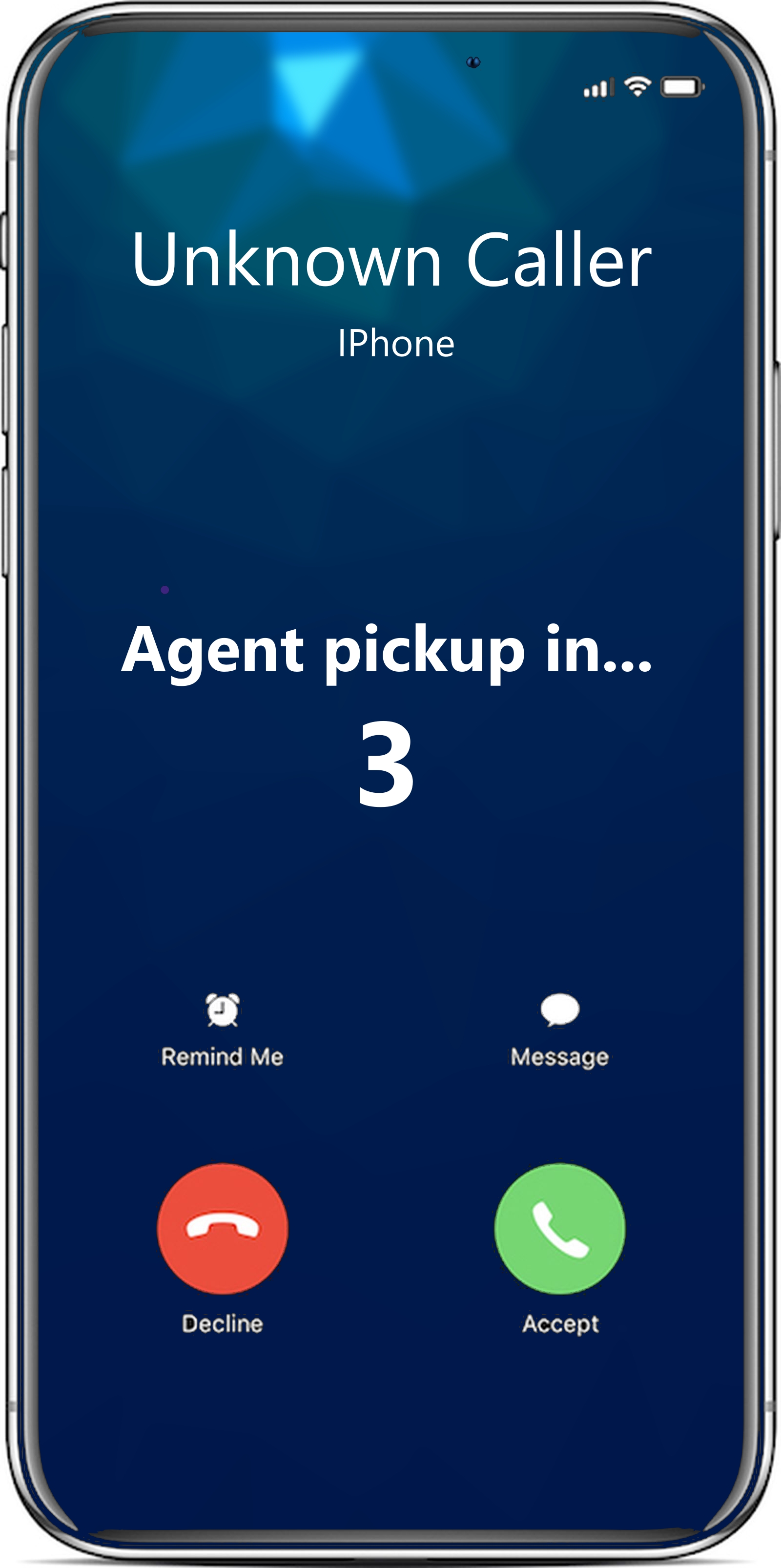
Blokes in your trade have already fixed this. They put an AI receptionist on the phone: it picks up every call in seconds, day or night, sounds like a real person, takes the caller's details and grabs the booking. The job's locked in before they've even seen the missed call.
The sparky quoting against you might already have it. His phone never rings out. Yours does. Same suburb, same work: one of you catching every call, the other ringing people back at night hoping they still pick up. That gap is exactly what the free cashflow-leak scorecard puts a dollar figure on.
And it's not just one-man bands. Even mobs with a full admin team put AI on the phones for overflow and after-hours: more work caught, no bigger front desk. Nobody kicked this off: it started on its own and it's rolling through the trades the way job-management software did a decade back, with or without any one provider. Optiphone is one of the key providers building this for Australian trades: a receptionist that gets trade work, not a call-centre bolt-on.
And the research backs it
The wider numbers tell the same story. 411 Locals' study of 85 small businesses watched what happened to their calls and found only 38 out of 100 got through to a real person. And it's not only the little blokes: ServiceTitan's numbers from more than 3,000 trade businesses show only about 41 in 100 calls turn into a booked job even for sparkies.
Source: 411 Locals
And callers don't wait around. CallRail's 2025 survey of 1,000 people found only 42 leave a voicemail: 82 just ring the next mob, and 78 said one missed call was enough to write a business off. Speed is the whole game: Harvard Business Review's audit of 2,241 companies found reaching a caller in the first hour makes you about 7 times more likely to book them. On the tools, an hour is nothing.
Source: CallRail, 2025
The work comes in on the phone. The bloke best placed to answer it is the one bloke who can't.

See your own number first
You don't have to change a thing today. The first job is just to see the leak. The tool owners are reaching for is the free Optiphone scorecard: give it your call numbers, your average job value and how you run the phones, and it puts a yearly dollar figure on screen straight away, made for your trade. Either way, you finally see the thing that's been hiding.

The phone isn't going anywhere: trades will always run on it. What's changed is that missing calls is no longer something you just have to cop. Take the two-minute scorecard and get your number.